

In This Article:
Toggle
One of the most common arguments against voting for a third-party candidate is that America has always had a two-party system. And there’s some truth to that. For most of our history, two major political parties have dominated American elections.
But there’s something important missing from that argument: they haven’t always been the same two parties. The Democrats and Republicans may dominate American politics today, but neither party has a permanent claim on our votes. History offers a useful reminder that political parties can rise, change, and disappear.
Independent Florida Quick Take
- Two-party dominance isn’t new. America has generally had two major parties, but they haven’t always been Democrats and Republicans.
- Political parties can be replaced. The Republican Party emerged as the Whig Party collapsed in the 1850s.
- Election rules favor two parties, not specific parties. Our system makes it difficult for smaller parties to compete, but it doesn’t guarantee today’s parties permanent control.
- Voters can change the incentives. Meaningful support for alternatives can pressure established parties to compete for votes they previously took for granted.
America Hasn’t Always Had Democrats and Republicans
We don’t need a detailed history lesson to understand how much American political parties have changed. The country’s earliest major political rivalry was between the Federalists and Democratic-Republicans. The Federalists eventually faded, and the Democratic-Republicans became the dominant political organization for a time.
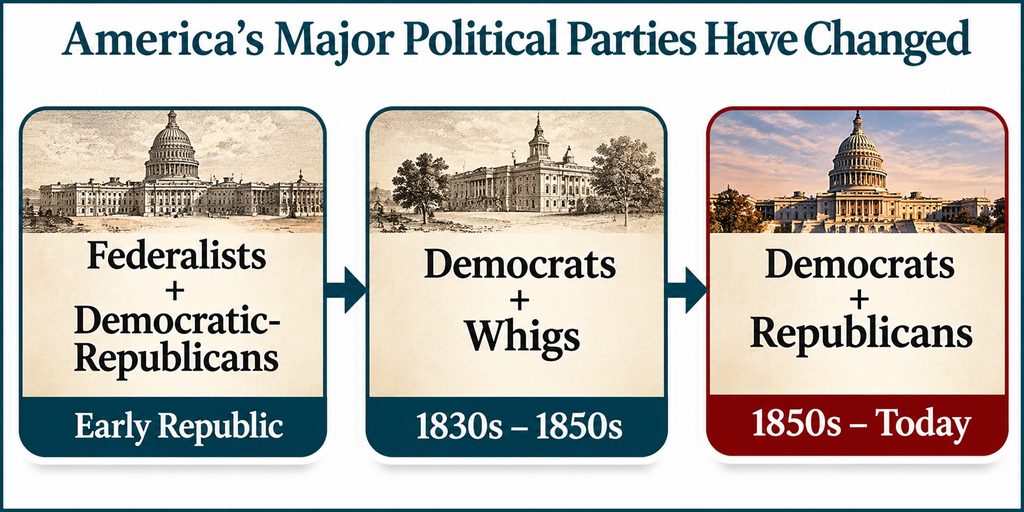
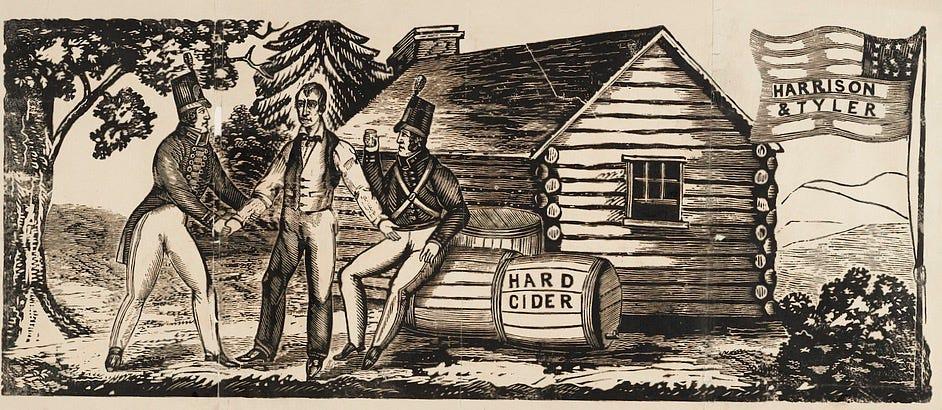
That didn’t last forever, either. By the 1830s, the Democrats and Whigs had emerged as the country’s two major political parties. For roughly two decades, the Whigs were one of the most powerful political organizations in America. They elected presidents, held seats in Congress, and competed for control of the federal government.
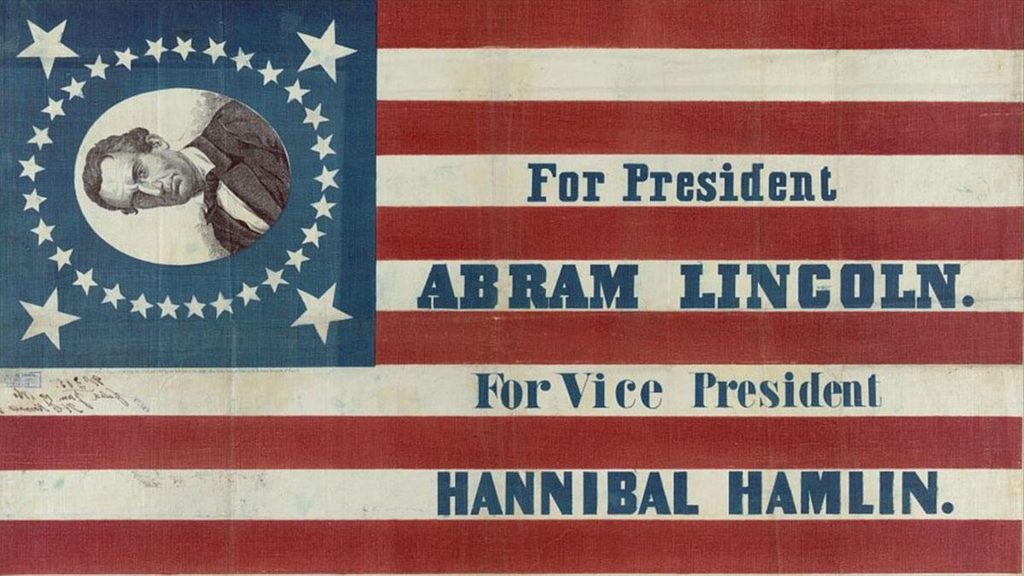
Deep disagreements over slavery fractured the Whig Party during the 1850s. As the U.S. Senate’s historical account explains, the newly formed Republican Party emerged as a major political force, attracting former Whigs, Democrats, and other voters opposed to the expansion of slavery. In 1860, Abraham Lincoln won the presidency as a Republican.
Think about that for a moment. A political party that had been one of America’s two major parties was effectively replaced by another. The U.S. House of Representatives’ historical resources provide additional background on how American political parties have developed and changed.
The Democrats and Republicans have dominated national politics ever since. Their positions, coalitions, and priorities have changed considerably over that time, but the party names have remained.
The history is more complicated than a simple succession of two parties. There have been periods of one-party dominance, regional parties, and significant third-party movements. Still, the broader pattern is hard to miss: America has generally gravitated toward two major parties, even as the identities of those parties have changed.
Why America Tends to Have Two Major Parties
There’s a reason the United States keeps returning to two dominant parties. Our election system generally awards each office to a single winner. In most elections, the candidate with the most votes wins, even without a majority. The Electoral College reinforces the advantages of major-party competition in presidential elections.
That creates significant obstacles for smaller parties. Voters may prefer a third-party candidate but worry that supporting that candidate will help elect someone they strongly oppose. Candidates and political organizations face similar pressure to build coalitions large enough to win.
These aren’t imaginary obstacles, and we shouldn’t pretend otherwise. But here’s the distinction that matters: an election system that favors two major parties doesn’t require those parties to be the Democrats and Republicans. We know that because American history has already demonstrated it.
Two Major Parties Doesn’t Mean These Two Parties Forever
This is where I think the usual argument against third-party voting falls apart. Someone says, “America has always had a two-party system,” as though that settles the question of whether we should consider alternatives. But why? If the system favors two dominant parties, that tells us something about how political competition works. It doesn’t tell us which two parties deserve our support.
Imagine telling an American voter in 1840 that the Whig Party would eventually disappear and a new Republican Party would take its place. At the time, the Whigs were an established national party. They had political influence, prominent leaders, and a realistic chance of winning elections. Yet their position wasn’t permanent.
Now consider how we talk about Democrats and Republicans today. We often treat them as though they’re permanent fixtures of American government rather than political organizations that depend on continued voter support. They aren’t written into the Constitution as our two required choices. They’re political parties, and political parties exist because people organize around them, fund them, campaign for them, and vote for their candidates.
That doesn’t mean replacing a major party would be easy. The Republicans emerged under extraordinary historical circumstances, and today’s political environment presents different challenges. We shouldn’t assume that what happened in the 1850s can simply be repeated. But difficulty isn’t the same thing as impossibility, and replacing a major party isn’t the only way voters can influence political competition.
Suppose a meaningful share of voters who normally support one of the major parties begin consistently supporting an alternative. Those votes may not immediately translate into elected offices, but they can become politically significant. In competitive elections, a relatively small shift in support can change the outcome.
That gives the established parties something they can no longer ignore. They can try to understand what those voters want, reconsider some of their positions, build new coalitions, or risk continuing to lose their support. None of that guarantees the response voters are hoping for. Parties may misread the message, refuse to change, or pursue different voters instead.
But the calculation changes when support that was once taken for granted is no longer automatic. That’s a very different situation from voters repeatedly expressing dissatisfaction and then supporting the same parties anyway.
Political Parties Have to Earn Our Votes
I’m not suggesting that the Democrats or Republicans are about to disappear. Nor am I suggesting that everyone dissatisfied with the major parties should automatically support whichever third-party candidate happens to appear on the ballot. Candidates still need to earn our votes, regardless of their party affiliation.
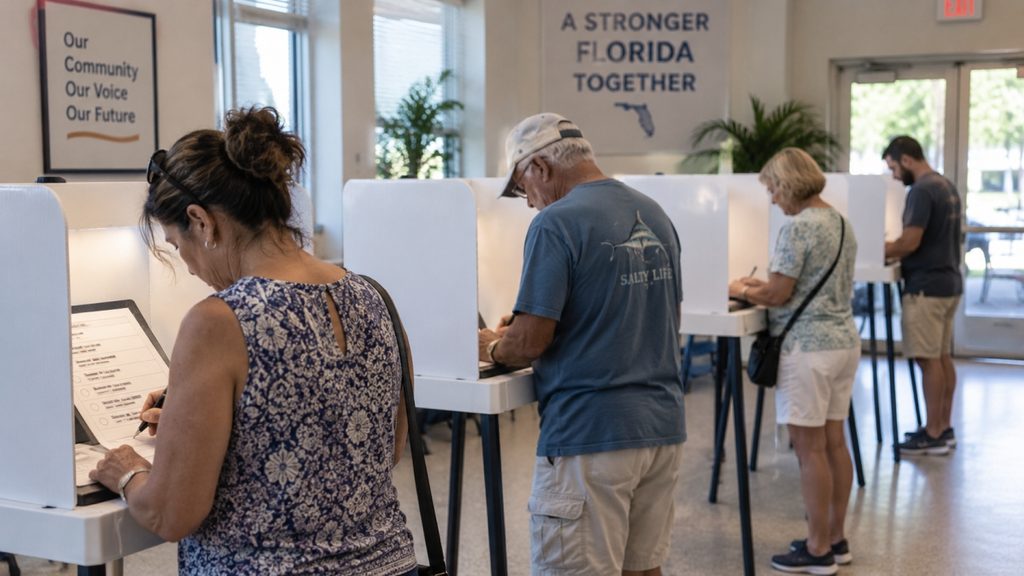
But I do question the idea that the structure of our election system obligates us to keep supporting the same two political organizations indefinitely. We spend a lot of time discussing why third parties struggle to win. That’s a legitimate conversation, and the obstacles are substantial. What gets far less attention is the assumption that the current major parties are somehow entitled to remain the major parties. They’re not.
If you’re interested in the practical argument for supporting alternatives, I’ve explored it in Why Vote Third Party? The same question of earned support runs through The Lesser of Two Evils, Not Voting, and We Deserve What We Get.
We may continue to have two dominant political parties for a very long time. Perhaps they’ll remain the Democrats and Republicans. Perhaps one or both will change substantially. Perhaps an alternative will eventually become competitive enough to replace one of them. History doesn’t tell us which outcome to expect.
What it does tell us is that having two major parties has never meant we must have these same two parties forever. And I see no reason voters should treat them as permanent simply because they’re the choices we’ve grown accustomed to.
 | Reviewed & Approved by Greg Martin Greg is a longtime Florida voter registered with no party affiliation who has been questioning America's political choices since the 2008 election. He created Independent Florida to examine political choices from a voter's perspective, challenge conventional assumptions about voting and party loyalty, and explore ideas that could give voters better options. |
Last Reviewed: November 2026