
In This Article:
Toggle
“I’d vote third party if there were a viable candidate.”
I’ve heard some version of that argument for years, and on the surface it makes sense. Why vote for someone who has no realistic chance of becoming president?
But what exactly would make a third-party candidate viable?
Independent Florida Quick Take
- Viability has to be built. A serious third-party candidate needs to see that enough voters are actually willing to vote outside the two major parties.
- More support today can create better choices tomorrow. Third-party candidates getting 10%, 15% or 20% would give a future candidate something much more credible to build on than a few percent.
- Build from the bottom and the top. Local candidates can build organization and credibility while presidential campaigns bring attention and voters to the party. Each can strengthen the other.
- You control one piece of the equation: your vote. You can’t make a candidate viable by yourself, but you can decide whether your vote helps demonstrate that voters are ready for another choice.
Usually, when people say “viable,” they mean someone who could actually win. Maybe it’s a great candidate with broad appeal. Maybe it’s a celebrity everybody already knows. Maybe it’s someone so impressive that Republicans, Democrats and independents all take a serious look.
Okay. Let’s say that person exists.
Why would they be dumb enough to run third party?
Voters wait for a winning candidate. A serious candidate waits for proven voters.
Each is waiting for the other to go first.
Put Yourself in the Candidate’s Shoes
Imagine you’re exactly the candidate everyone says they’re waiting for.
You’re smart. You’re broadly popular. Maybe you’re already famous. You can raise money, attract attention and put together a serious campaign. You honestly think you could be president.
Now you have a decision to make.
You can run for the Republican or Democratic nomination, where there are already tens of millions of voters accustomed to choosing that party’s presidential candidate.
Or you can run third party and try to convince millions of people who say they want another choice to actually vote for one.
Which route would you take?
A THOUGHT EXPERIMENT
You’ve Found Your Candidate
Imagine you’ve found the presidential candidate you’ve been waiting for. They’re qualified. You agree with them on the issues that matter most to you. Of everyone running, they’re your clear choice.
They have your vote.
THE CAMPAIGN BEGINS
You’re supporting the candidate you actually want to be president.
Let’s see what happens as the campaign develops.
FIRST
The first presidential debate is announced.
Your candidate isn’t invited. Only the Republican and Democratic candidates will be on the stage.
Nothing about your candidate has changed.
Do they still have your vote?
THEN
A major national presidential poll comes out.
You look through the choices.
Your candidate isn’t even listed.
Do they still have your vote?
FINALLY
Election Day gets closer.
Political coverage is everywhere, but almost everything you see is about the Republican and Democratic candidates.
Your candidate is barely mentioned.
Do they still have your vote?
YOUR DECISION
What Changed?
You decided you’d probably switch.
Your candidate didn’t become less qualified. Their positions didn’t change. You didn’t discover something you disliked about them.
What changed was your perception of whether other people would support them.
So where does the initial support come from?
A candidate needs support before they can become viable. But if voters who prefer that candidate wait for signs that everyone else is ready to support them first, how does the candidate ever get that initial support?
Voters wait for a winning candidate. A serious candidate waits for proven voters.
Each is waiting for the other to go first.
YOUR DECISION
You’re Still With Your Candidate.
The debate invitation didn’t change your choice. Being left out of a major poll didn’t change it. Limited media coverage didn’t change it.
You still can’t make this candidate viable by yourself. No voter can.
But somebody has to provide the support that comes before viability.
Voters wait for a winning candidate. A serious candidate waits for proven voters.
Each is waiting for the other to go first.
That’s the viability trap.
We Say We Want Another Party
This isn’t just something I’m imagining.
In 2025, Gallup found that 62% of Americans said a third major party was needed because Republicans and Democrats were doing such a poor job representing the American people.
That sounds like a country ready for another choice.
Then Gallup asked harder questions.
Only 15% said they were very likely to vote for a third-party candidate. Gallup also asked what people would do if they thought a third-party candidate was the best person running, but polls, experts or news reports said that candidate had little chance of winning.
Fifty-four percent said they would switch to the Republican or Democratic candidate. Only 44% said they would stick with the third-party candidate they thought was best.
Think about what that means.
We can give someone the candidate they think is the best person running, and for a majority of voters in that Gallup question, finding out that other people probably won’t vote for that candidate is enough to make them abandon the candidate too.
We say we want another choice.
Then we wait for everyone else to make that choice viable before we’re willing to make it ourselves.
Where Are the Proven Voters?
Now put yourself back in the shoes of that exceptional candidate.
You look at recent elections and see alternative candidates getting a few percent of the presidential vote. Then someone tells you that you should run third party because millions of Americans are desperate for another choice.
Would you believe them?
There’s a big difference between telling a pollster that you want another party and actually putting your vote there when Election Day comes.
Now imagine something different.
Imagine third-party and independent presidential candidates were regularly getting 10%, 15% or 20% of the vote.
There’s nothing magical about those numbers. Twenty percent doesn’t automatically turn the next candidate into a winner.
But it changes the conversation.
A serious candidate could look at those results and see millions of people who had already demonstrated that they were willing to vote outside the two major parties. Instead of being asked to somehow jump from a few percent to enough votes to win the presidency, that candidate would see something real to build on.
That’s what I mean by proven voters.
We’ve already talked about why a vote can matter even when your candidate probably won’t win in Why Vote Third Party?. Winning this election is not the only information an election result can send.
If candidates outside the two major parties start getting 10%, 15% or 20% instead of a few percent, the next serious candidate is looking at a very different opportunity.
Give Me the Perfect Candidate
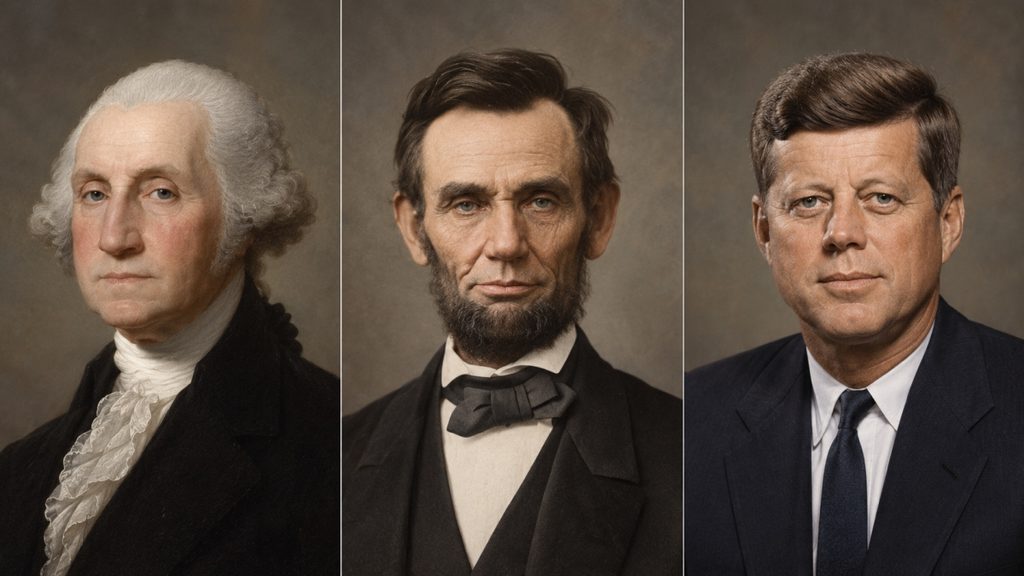
Here’s a thought experiment.
Pick an American political figure you consider unquestionably presidential. Abraham Lincoln. John F. Kennedy. Pick whoever you consider to be the best president. Same charisma, same political skill, everything that caused them to be the great president they were. Now take away the major-party label.
Put that person on the ballot as the candidate of a third party in America today. Would this “best president” win? Would they even get close?
I don’t know. Nobody does.
But after looking at the Gallup numbers, I’m not convinced Abraham Lincoln, JFK, or whoever you consider to be the best president ever could get elected president today as a third-party candidate.
How many people would say this best president was the best candidate and then vote for somebody else because this best president couldn’t win? If that’s the case, finding a better candidate doesn’t solve the problem.
The candidate’s lack of support becomes the reason not to support the candidate.
“Third Parties Need to Start Locally”
There’s another argument I hear a lot: third parties are wasting their time running for president. They should forget about the White House and build from the grassroots first.
I agree with half of that.
Third parties absolutely need to build from the grassroots.
A serious political party needs more than somebody who appears every four years and runs for president. It needs candidates for local office, state legislatures and Congress. It needs volunteers, donors, organization, experience and people who keep showing up after the presidential election is over.
Where I disagree is with the word first.
Why does a third party have to finish building from the bottom before it’s allowed to build from the top?
I think it has to do both.
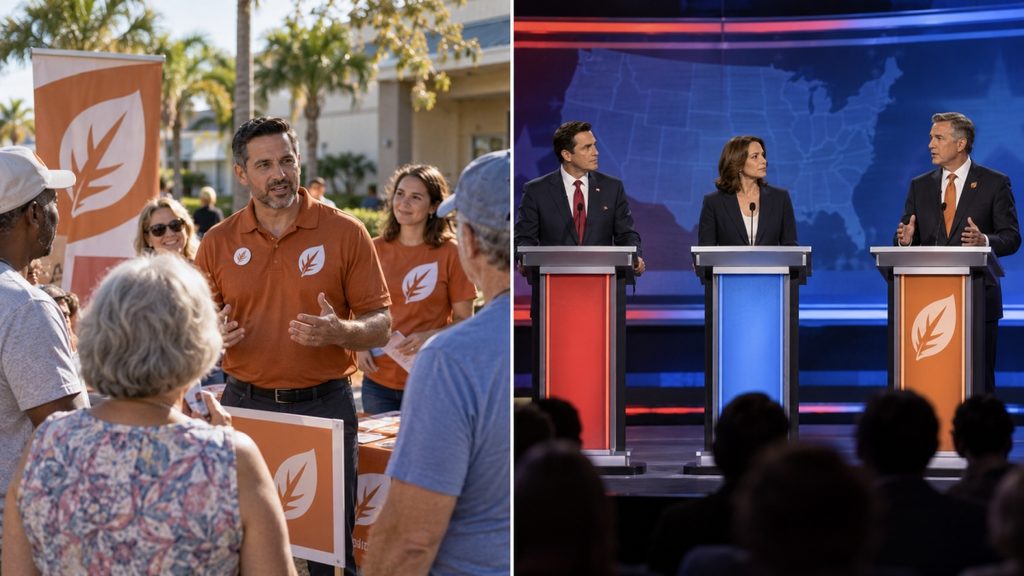
A presidential campaign can put a party’s name in front of millions of people who otherwise might never hear of it. It can give local candidates a national party people recognize. At the same time, local candidates can build the organization, experience and voter base that make the presidential candidate look more serious the next time around.
The top can help build the bottom while the bottom helps build the top.
That doesn’t mean every third party is doing either one particularly well. And it doesn’t mean putting somebody on the presidential ballot automatically builds a serious political party.
It just means “build locally” and “run nationally” don’t have to be competing ideas.
We Haven’t Always Had These Two Parties
There’s one more assumption hiding underneath all of this: Republicans and Democrats are the two major parties now, so we start treating them like they always have been and always will be.
They haven’t.
The Library of Congress traces several different periods in American party history, including competition between Federalists and Democratic-Republicans and later between Democrats and Whigs. The Whig Party eventually fractured, and the Republican Party emerged during the political upheaval of the 1850s.
Abraham Lincoln himself had been a Whig before becoming associated with the new Republican Party. A few years later, he was president.
That history does not prove that the Libertarian Party, Green Party or any other current party is going to replace Republicans or Democrats. It doesn’t tell us what the next party system will look like or whether a major change is coming anytime soon.
It tells us something much simpler.
Political parties can change.
We’ll come back to that in another article, because there’s a much bigger discussion there. But for this one, the important point is that the political choices we have today aren’t some permanent law of nature.
If they ever change again, though, at some point voters will have to vote differently.
Somebody Has to Go First
This is where the viability question connects to We Deserve What We Get.
You only control one vote.
You cannot personally take a candidate from 3% to 50%. You cannot make millions of strangers vote differently. You cannot guarantee that a party will grow, that a better candidate will run next time or that anything you want to happen politically will happen.
Everyone else gets to make their own decision.
So do you.
And if your decision is that you won’t vote for an alternative until enough other people have already made that alternative capable of winning, that’s a choice too.
Maybe enough other people eventually go first—maybe they don’t. But there’s no way around the circle:
Voters wait for a winning candidate. A serious candidate waits for proven voters.
At some point, somebody has to stop waiting.
Viability Has to Come From Somewhere
None of this means you should vote for a third-party candidate just because they’re a third-party candidate.
Maybe the candidate is terrible. Maybe you disagree with them. Maybe they haven’t earned your vote.
Those are reasons to reject a candidate on the merits.
But “I’d vote for them if enough other people were already going to vote for them” is something different.
You can’t make viability the price of your support when support is one of the things viability is made of.
We keep saying we’re waiting for a viable third-party candidate.
Maybe we should spend a little more time asking what that candidate is waiting for.
 | Reviewed & Approved by Greg Martin Greg is a longtime Florida voter registered with no party affiliation who has been questioning America's political choices since the 2008 election. He created Independent Florida to examine political choices from a voter's perspective, challenge conventional assumptions about voting and party loyalty, and explore ideas that could give voters better options. |
Last Reviewed: October 2026